£0.00
-

- Home
- Literature
- Mediums
- Photography
- Sculpture & 3D
- Surfaces
- Tools & Access


Original price was: £16.99.£12.95Current price is: £12.95.
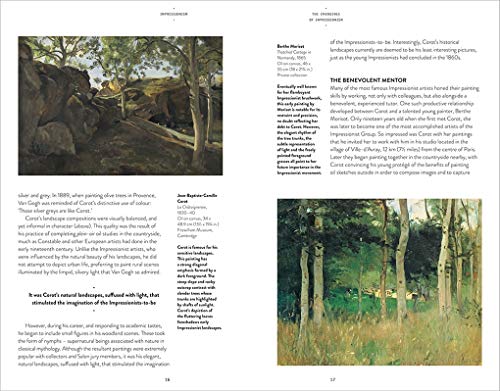
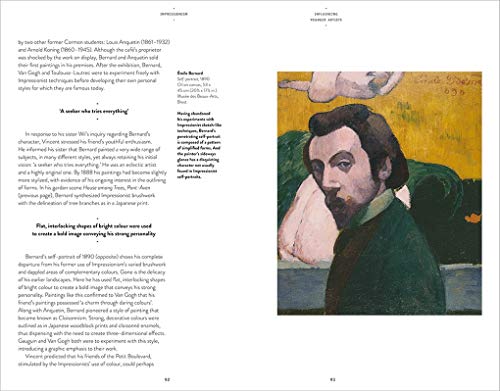
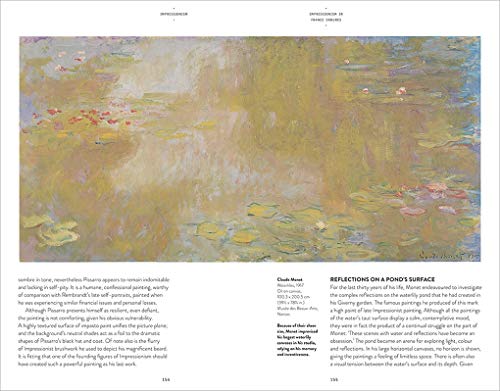
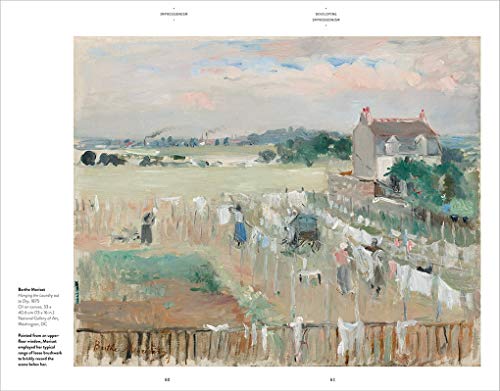
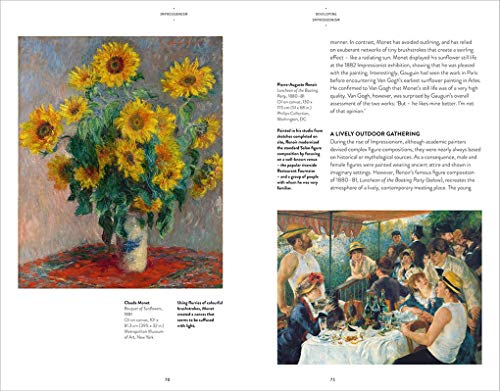
Ralph Skea’s Impressionism: Art Essentials traces the shock and eventual triumph of a movement that overturned academic orthodoxy in 19th‑century France, daring to make fleeting light, everyday life and the artist’s direct sensation the heart of painting; through vivid accounts of canvases created en plein air, rapid brushwork and daring new uses of color, Skea shows how Impressionists transformed mundane scenes into luminous studies of atmosphere and perception. The book follows the movement from its provocative debut in 1874 through its spread to America and Australia, revealing how works once derided as unfinished came to be embraced and how their radical approach reshaped artistic priorities. Accessible and richly observed, this concise study explains both the immediate scandal of Impressionism and the profound, long‑lasting influence it exerted on modern art.
Ralph Skea approaches Impressionism with a concise, analytic eye that balances scholarly attention to exhibition history and provenance with prose accessible to a broad readership. The book foregrounds the movement’s shock value at its 1874 debut, tracking how a group of artists deliberately rejected the established academic conventions of mid‑19th‑century France in favor of outdoor painting, rapid brushwork, and daring uses of colour. Skea emphasizes technique and perception—how plein air practice and a focus on transient light transformed both subject matter and painterly language—while also attending to reception: critics’ initial hostility, gradual public acceptance, and the social milieus that framed these debates.
Although the description does not specify Skea’s formal credentials, his treatment reads like that of an experienced historian of modern art: measured, contextual, and attentive to international circulation. The book’s historical scope moves from Impressionism’s Parisian origins through its dissemination to America and Australia, demonstrating central themes of modernity, democratization of everyday subjects, and the shifting boundaries between spectacle and ordinary life. Skea argues that the movement’s experimental methods and altered visual priorities not only provoked contemporary controversy but also exerted a profound, enduring influence on subsequent developments in modern art.
Technical Specifications
Only logged in customers who have purchased this product may leave a review.


Reviews
There are no reviews yet.